


You’ve booked a professional deep clean, and now you’re looking around your home wondering what you should do before the team arrives. Should you wash the dishes, empty every cupboard or move the sofa away from the wall? The good news is that preparing your home for a professional deep clean mainly involves making surfaces accessible and explaining what needs attention. You don’t need to spend the evening scrubbing the shower or polishing taps when those jobs are already part of your booking. Instead, think of preparation as clearing the stage so the cleaning team can get straight to work. A kitchen counter covered in paperwork, shopping bags and breakfast dishes needs sorting before anyone can clean the surface underneath. The same principle applies to bedroom floors, bathroom shelves and furniture crowded with delicate ornaments. When you remove those obstacles and communicate your expectations, you give the team a clearer starting point and reduce avoidable interruptions. This guide explains what to prepare, what to leave to the professionals and which details to confirm before cleaning day. Whether you live in a compact Cape Town apartment, a busy family home or a larger property, the goal is straightforward: make the visit organised, practical and focused on the cleaning you actually booked.
Confirm Exactly What Your Deep Clean Includes
Start with your quotation or booking confirmation, because deep cleaning packages vary between providers and properties. One service might include skirting boards, accessible light fittings and cupboard exteriors, while another prices certain tasks separately. Carpet extraction, upholstery cleaning, oven interiors, external windows and cleaning inside stocked cupboards should never be assumed to be included without confirmation. Ask for a written description of the rooms, surfaces and additional services covered by your booking, along with any access limitations. It also helps to explain whether the property is furnished, occupied, recently renovated or awaiting new tenants, since those conditions can change the work involved. Cleaning and disinfecting are different tasks, too: the CDC explains that routine cleaning removes dirt and germs, while disinfection may be appropriate in particular circumstances, such as illness in the household. A deep clean does not automatically mean every surface will be disinfected. CDC If you’re booking professional deep cleaning services in Cape Town, discuss your property’s condition and the areas you want addressed before accepting the final scope. Photographs can help explain heavy kitchen grease, bathroom buildup or awkward access, although an on-site assessment may still be needed. Clear expectations at this stage make preparation easier because you know exactly which spaces to clear and which tasks require separate arrangements.
Share Your Priorities Before Cleaning Day
Every home has a few areas that matter more to its owner than the rest, so tell your cleaning company what a successful visit would look like for you. Perhaps your main concern is grease around the cooker, dusty skirting boards throughout the house or the shower enclosure that never seems properly clean. Choose a small number of priorities and describe the problem rather than simply asking for everything to look perfect. For example, “Please focus on the greasy cupboard fronts beside the hob” gives the team more useful direction than “The kitchen needs extra attention.” Send these details before the appointment wherever possible so the provider can assess whether the booked time, equipment and price match your expectations. Mention stains you have already tried to remove and explain what products you used, especially if a surface changed colour or became dull afterwards. A mark that looks like dirt may actually be wear, etching, damaged sealant or permanent discolouration, so complete removal cannot always be promised. You should also identify rooms that are off-limits and tasks you do not want carried out. If your budget or appointment time is fixed, ask how the team will handle work that takes longer than expected. Agreeing on priorities early helps prevent rushed decisions when the cleaners are already standing at your door.
Declutter So Your Cleaners Can Reach the Surfaces
The most useful preparation is usually removing loose belongings from the areas being cleaned. Walk through your home with a basket and collect clothing, toys, shoes, charging cables, shopping bags and other everyday items that have drifted away from their usual places. Focus on floors, counters, tables, window ledges and the spaces immediately around furniture rather than launching a complete household reorganisation. Your cleaners need access to surfaces, and they should not have to decide where personal possessions belong. Put items into appropriate storage where possible, or use clearly labelled temporary containers if you’re short on time. Avoid shifting everything into another room that is also scheduled for cleaning, because that simply moves the obstacle further along. A better option is an agreed storage area or a cupboard whose interior is outside the booking scope. Keep corridors, doorways and stairs clear so equipment can move through the property without unnecessary handling of your belongings. If sorting and organising are services you need, ask whether the company offers them and whether they require extra time. There’s no reason to feel embarrassed about a busy home; the aim is to make the agreed cleaning work accessible. Even clearing the main surfaces and walking routes can make the appointment easier to manage without turning preparation into an exhausting project of its own.
Put Away Valuables, Documents and Fragile Items
Before the team arrives, gather jewellery, cash, passports, medication, confidential paperwork and small electronic devices into secure storage. This simple step protects your privacy and reduces the number of delicate possessions that need to be handled during cleaning. Pay particular attention to bedside tables, dressing tables, home-office desks and kitchen counters, where important items often sit among ordinary clutter. A receipt beside a shopping bag might be something you want to keep, and a loose envelope could contain documents that nobody else should sort. Make those decisions yourself beforehand rather than expecting the cleaning team to distinguish between rubbish and paperwork. Move fragile ornaments, family photographs, collectibles and unstable decorative pieces if they prevent access to a surface, provided you can handle them safely. For large artworks, heavy mirrors or delicate display cabinets, explain your concerns and agree on an approach instead of trying to move them alone. It is also useful to point out existing damage, such as a loose handle, chipped tile or cracked glass shelf, so everyone understands the condition before work begins. You may choose to photograph particularly delicate items or existing defects for your own records. If something must remain untouched, identify it clearly during the arrival walk-through. A specific instruction about one object is much more reliable than a general request to be careful around everything.
Prepare Your Kitchen for Thorough Cleaning
Kitchens contain plenty of surfaces that benefit from clear access, so start by dealing with food, dishes and loose countertop items. Wash and put away dishes, or load the dishwasher if that is practical and does not interfere with any booked appliance cleaning. Store exposed food, close open ingredient containers and remove shopping bags from counters and floors. Gather small items such as spice jars, utensil holders and recipe books into a designated space so the team can reach the worktops beneath them. Ask whether moving and replacing countertop appliances is included, particularly where equipment is heavy, delicate or connected in an awkward position. You do not need to scrub the hob or degrease cupboard doors beforehand if those tasks are part of your deep clean. Instead, point out the areas where cooking residue tends to collect, including around handles, splashbacks and the sides of accessible appliances. Let the cooker and oven cool completely before the appointment if they are scheduled for cleaning. Tell the team about loose fittings, damaged surfaces, leaking connections or appliances that should not be moved. Never disconnect gas equipment or pull out a fitted appliance simply to create access for a routine clean. A prepared kitchen gives the cleaners room to work while keeping food, equipment and personal items organised throughout the visit.
Empty Appliances and Cupboards Only When Agreed
Emptying every kitchen cupboard can create hours of unnecessary work if internal cleaning is not part of your booking. Confirm which cupboards, drawers and appliances need to be cleared, then prepare those specific areas. If the fridge interior is included, arrange suitable temporary storage for its contents and ask the provider when it should be emptied. Keep perishable food properly chilled rather than leaving it on a counter for the duration of the appointment. Freezer cleaning may require defrosting arrangements, so discuss the process in advance instead of assuming it can happen immediately when the team arrives. For cupboard interiors, remove crockery, food containers and shelf contents into stable boxes or another agreed location that does not block the kitchen. Check whether the service includes returning those items afterwards, as cleaning an empty cupboard and reorganising its contents are separate jobs. Appliance instructions can also matter, particularly for specialist oven liners, removable components and surfaces with manufacturer restrictions. Keep the relevant care information available if you have it, and mention any faults before cleaning begins. Avoid dismantling unfamiliar equipment or removing parts that you cannot safely reinstall. A good rule is to prepare only what the agreed task requires, following the provider’s instructions. That approach keeps your kitchen usable and prevents the rest of your home from filling up with boxes unnecessarily.
Make Bathrooms Easy to Access
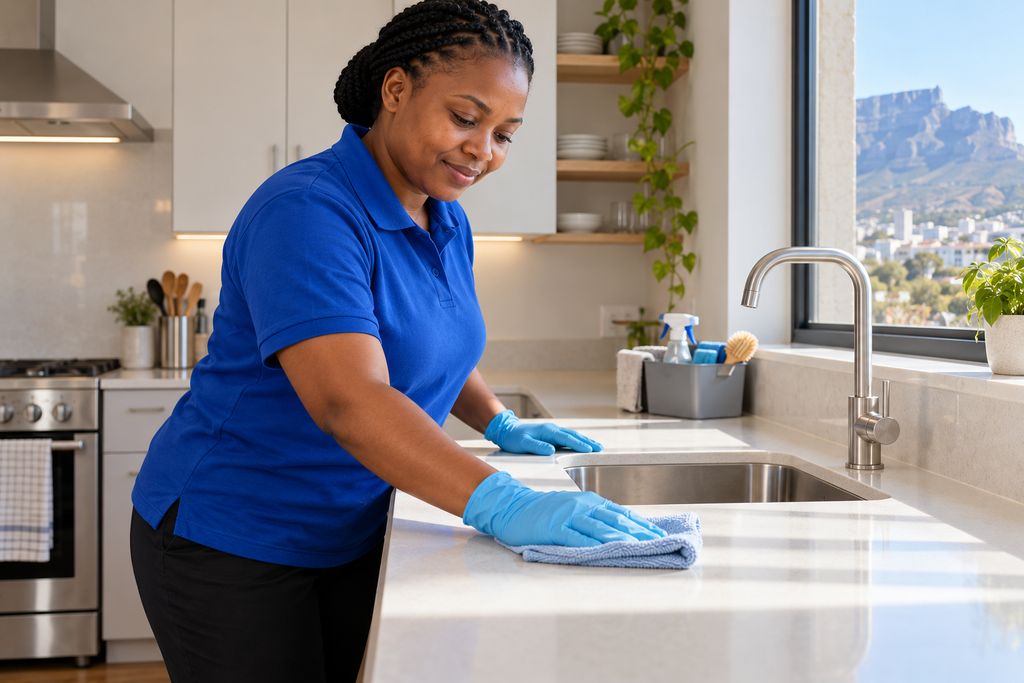
Bathroom preparation is mostly about removing the personal items that cover the surfaces your cleaners need to reach. Gather toothbrushes, razors, cosmetics, toiletries, bath toys and loose accessories from basins, bath edges, shower shelves and window ledges. Put them somewhere dry and secure, keeping everyday essentials together so they are easy to find afterwards. Move laundry baskets and towels if they obstruct the agreed cleaning areas, and ask whether bathmats should be removed before the visit. Empty bathroom cupboards only if their interiors are included in your booking. Let the team know about slow drains, leaking taps, loose toilet seats, cracked shower screens and damaged sealant, because these conditions may affect how they work. If you have already applied a drain cleaner, bleach or another treatment, explain exactly what you used and where. The CDC’s guidance is clear: “Do not mix products or chemicals with each other.” CDC Leaving an unidentified product on a surface creates an avoidable problem for anyone cleaning afterwards. You should also distinguish between removable buildup and damaged finishes when discussing expectations. A darkened sealant line or persistent moisture problem may need assessment beyond ordinary surface cleaning. Preparation gives the team visibility and access, but it does not replace repairs where leaks, deterioration or other underlying defects are contributing to the condition of the bathroom.
Get Bedrooms and Living Areas Ready
In bedrooms and living areas, concentrate on floors, furniture surfaces and the items that make access difficult. Put clothing into wardrobes or laundry baskets, gather toys and remove loose objects from bedside tables, coffee tables and dressing tables. Organise charging cables so the team can see where equipment is connected, and secure sensitive work materials in your home office. If bed making or linen changes are included, leave the correct clean bedding in a clearly identified place and explain which beds need attention. Do not strip every bed automatically, because mattress cleaning, linen changes and general bedroom cleaning may involve different preparation requirements. Ask about furniture movement before shifting sofas, beds or cabinets, especially where pieces are heavy or rest on delicate flooring. Large furniture may require additional people or may be excluded from the agreed service altogether. For booked carpet or upholstery cleaning, remove small personal items and discuss which lightweight furnishings should be relocated. You should also plan how you will use the room while treated fabrics or flooring dry. Point out delicate electronics, loose cables, unstable shelves and any objects that should remain untouched. Think of this preparation as creating clear working space around your belongings. The more precisely you identify access restrictions and special instructions, the easier it becomes to clean the room without repeatedly stopping to ask where things belong.
Flag Delicate Materials and Product Preferences
Tell the cleaning company about any surfaces with special care requirements before the appointment, particularly if you have manufacturer instructions or a record of previous damage. Natural stone, timber, specialist coatings, decorative metals and upholstered fabrics can require different cleaning approaches, so a product suitable for one surface may not be appropriate for another. You do not need to identify every material perfectly; it is better to say you are unsure than to guess. Share what you know about the installation, finish or supplier, and let the provider assess the proposed method. The CDC recommends using cleaning products appropriate for the surface and following product instructions, which supports a surface-specific approach rather than treating everything alike. CDC Explain fragrance preferences and any known sensitivities within the household early enough for the company to confirm what it can accommodate. Ask about the actual products and procedures rather than relying only on broad descriptions such as “natural” or “eco-friendly.” Those terms alone do not tell you whether a product suits a particular finish or your household’s requirements. If you want your own product used, send its details in advance and confirm that the team is willing to use it. Where suitability is uncertain, ask whether a discreet test is appropriate before treating a larger area. Clear information helps protect finishes and prevents avoidable changes of plan.
Plan Ahead for Children and Pets
A professional cleaning visit temporarily changes how your home works, with unfamiliar people, open doors, equipment, cables and potentially wet floors moving through the space. Plan where children and pets will spend that time before the team arrives. Depending on your household, this might mean arranging an outing, using a room outside the cleaning scope or having another adult supervise in an agreed area. A closed room only works if everyone knows it must remain closed and it does not need cleaning during that stage of the visit. Tell the cleaners about pets even if they are usually quiet or friendly, because noise and unfamiliar activity can change how an animal behaves. Secure gates and explain any risk of a pet escaping when the front door opens. Move feeding bowls, bedding, toys and litter trays if they obstruct the work, then ask when they can safely be returned. Do not assume the cleaning team can supervise children, manage animals or keep track of their movements while working. If someone will remain at home, agree on a room-by-room sequence that preserves a practical space for them. Follow the provider’s instructions about returning to treated areas and using cleaned surfaces. Planning ahead makes the appointment calmer and helps everyone avoid repeatedly crossing through active work areas.
Arrange Access, Parking, Water and Electricity
Good preparation extends beyond the rooms themselves, especially if you live in a complex, apartment block or property with controlled access. Confirm the address, arrival window, contact number and any directions needed to find the correct entrance. Arrange security registration, visitor parking and lift access where applicable, and check whether the building has restrictions on service providers or working hours. If equipment must be carried up stairs or a long distance from the vehicle, tell the company before cleaning day. Ask what water and electricity access the team requires, then flag any known supply interruption or faulty outlet that could affect the work. These details are particularly important when specialist cleaning equipment is included, because the provider may need to adjust the plan. Agree on how keys or access codes will be handled if you will not be present, and avoid sharing permanent security information more widely than necessary. Make sure someone can answer questions during the appointment, especially if the team discovers an access issue or a task outside the agreed scope. You should also confirm the departure procedure, including windows, doors, alarms and key return. A clean home is only part of a successful visit; a clear arrival and lock-up arrangement ensures the appointment fits smoothly into your day from beginning to end.
Complete a Walk-Through Before and After the Clean
When the cleaners arrive, take them through the property and connect your earlier instructions to the actual rooms and surfaces. Show them your priorities, identify delicate items and point out any existing damage or areas that should remain untouched. This is also the right moment to confirm where equipment can be placed and which room should be tackled first if someone is staying home. Keep the discussion focused on the agreed booking, and ask for confirmation before adding extra work that could change the price or completion time. If you need to leave, provide a reliable contact number and agree on how questions will be handled. Once the clean is complete, review the work against the original scope rather than relying only on the overall impression or fragrance in the room. Check the areas that mattered most to you and ask about marks that remain, since some may reflect permanent damage or wear. If an included area appears to have been missed, raise it calmly and promptly so the provider can assess it. Ask for any relevant drying, ventilation or surface-care instructions before putting items back. Finally, confirm that doors, windows and access arrangements have been dealt with as agreed. A short, clear handover gives both you and the team a chance to resolve practical questions while the work is still easy to inspect.
Conclusion
Preparing your home for a professional deep clean comes down to access, communication and a few practical arrangements. Start by checking what your booking includes, then clear the surfaces and spaces the team needs to reach. Store personal documents and valuables, explain delicate finishes, and make suitable plans for children and pets. Prepare appliance interiors or cupboards only when those tasks have been agreed, and leave heavy furniture movement to a confirmed plan. There is no need to exhaust yourself trying to complete the cleaning before the professionals arrive. Your contribution is making the work straightforward and ensuring the team understands what matters most to you. That might mean exposing the kitchen worktops, clearing a corridor or explaining why one bathroom needs particular attention. Just as importantly, allow time for an arrival discussion and a final review so expectations stay clear throughout the appointment. If you are planning a deep clean in Cape Town, Imperial Cleaning Services offers property deep cleaning and invites customers to request a quotation based on their requirements. imperialcleaning.co.za Share your property details, main concerns and any additional services you are considering when you enquire. With those decisions made in advance, cleaning day becomes easier to organise, and you can focus on enjoying the result rather than managing avoidable last-minute complications.
Frequently Asked Questions
Do I Need to Clean Before Professional Cleaners Arrive?
You generally do not need to scrub, mop or polish before a professional deep clean when those tasks are already included in your booking. The useful work is preparation: putting away personal belongings, dealing with dishes and clearing access to the surfaces being cleaned. Think about what would prevent someone from starting an agreed task immediately. A bathroom basin covered in toiletries needs those items moved, while a basin with ordinary soap buildup is ready for the cleaning work itself. The same distinction applies to a bedroom floor scattered with clothes compared with a clear floor that needs vacuuming or mopping. If your booking includes tidying, dishwashing or organising, confirm how much time has been allowed and whether you still need to prepare anything. Some households need help with both clutter and cleaning, and that is something to discuss openly when arranging the service. Avoid applying cleaning chemicals just before the appointment, especially if you cannot be there to explain what was used. You should also report unusual conditions, such as renovation debris or a significant spill, rather than assuming they fall within a standard deep clean. A realistic description helps the provider prepare properly. The aim is a workable home, not a spotless one, before the team begins.
How Long Does It Take to Prepare for a Deep Clean?
There is no reliable preparation time that applies to every property, because the amount of work depends on clutter, household size and the services booked. A relatively tidy flat may need only a focused session to put away belongings and clear counters, while a busy family home may benefit from preparation spread across several evenings. Start with the tasks that directly affect access instead of opening cupboards and beginning unrelated sorting projects. First clear walking routes and floors, then tackle kitchen and bathroom surfaces, and finally secure valuables and special items. If appliance interiors or cupboards are included, allow additional time to empty them and arrange temporary storage. You should also make building-access and pet arrangements before the day itself, since these may depend on other people. When time is limited, tell the cleaning company what you can realistically complete and ask which areas matter most for the booked work. It is more useful to prepare the priority rooms properly than to half-empty every room in the house. You can also ask another household member to handle one specific area rather than everyone moving the same items around. Preparation is complete when the agreed work areas are accessible and the practical arrangements are clear, even if your home still looks lived in.
Should I Stay Home During a Professional Deep Clean?
Whether you stay home depends on the provider’s policy, the work involved and your own preferences. Many cleaning appointments can take place while the homeowner is away, provided access, instructions and a reliable contact method have been agreed. Imperial Cleaning’s residential service information states that customers do not need to be present during cleaning, although you should still confirm the arrangements for your particular booking. Imperial Cleaning Services For a first visit, being available at the start can help you explain priorities and point out delicate surfaces or existing damage. If you leave afterwards, make sure the team knows how to contact you and whether it should seek approval before carrying out any additional work. Staying home can also work well if you have a suitable space outside the active cleaning area. Discuss room sequencing if you need to work, care for a child or use a particular bathroom during the appointment. Keep in mind that equipment noise and movement may make calls or focused work less convenient. Avoid following the cleaners from room to room unless they need your input, but remain available for questions. Before choosing either option, agree on the finishing arrangements, inspection opportunity and lock-up procedure. Clear coordination matters more than whether you spend the entire appointment inside the property.
Do Professional Cleaners Bring Their Own Supplies?
Some professional cleaning companies bring their own products, tools and machines, while others have different arrangements depending on the service booked. Confirm this when requesting your quotation rather than assuming everything is included. Ask specifically about equipment needed for any additional tasks, such as carpet extraction or upholstery cleaning, because those services may require a separate booking or specialist team. You should also check whether the quoted price includes the relevant consumables and whether the property must provide water, electricity or another facility. If you have preferred products, send the company their names and intended uses before the appointment. The provider needs an opportunity to assess whether those products are suitable for its methods and the surfaces involved. A request for a particular fragrance, formulation or brand is easier to handle in advance than after the team has unpacked. Do not buy a large collection of products simply because you have booked a deep clean; first find out what is actually needed. Keep any surface-care instructions available, especially for specialist finishes, and identify household products that should not be used. If the company agrees to use something you supply, leave it in its original labelled container. A clear supply arrangement avoids duplicate purchases, unsuitable substitutions and unnecessary delays on cleaning day.
What Should I Do After My Home Has Been Deep Cleaned?
Begin by reviewing the agreed areas with the team and asking for any instructions that affect when you can use them again. Drying time varies with the material, cleaning method and conditions, so follow the provider’s guidance rather than assuming every surface is ready immediately. If carpets or upholstery have been treated, ask when furniture, cushions and everyday items can be returned without affecting the result. Follow any product-specific ventilation instructions, and make sure the home is secured appropriately once the team leaves. Put belongings back gradually so you can see the cleaned surfaces and avoid recreating the clutter that made access difficult before the visit. This is also a useful opportunity to give frequently misplaced items a practical home, such as a basket for chargers or a designated tray for paperwork. You do not need a complicated maintenance programme to preserve the benefit of the clean. Regularly clearing surfaces, addressing ordinary spills promptly and keeping up with routine cleaning can make future upkeep more manageable. If you notice an issue with an included task, contact the provider promptly and explain the location and concern clearly. Keep your booking details available so the discussion can refer to the agreed scope. Finally, record any useful care advice for delicate surfaces so it remains available for the next cleaning appointment.